
The Cool Truth About Burn Dressing Gels: What You Need to Know
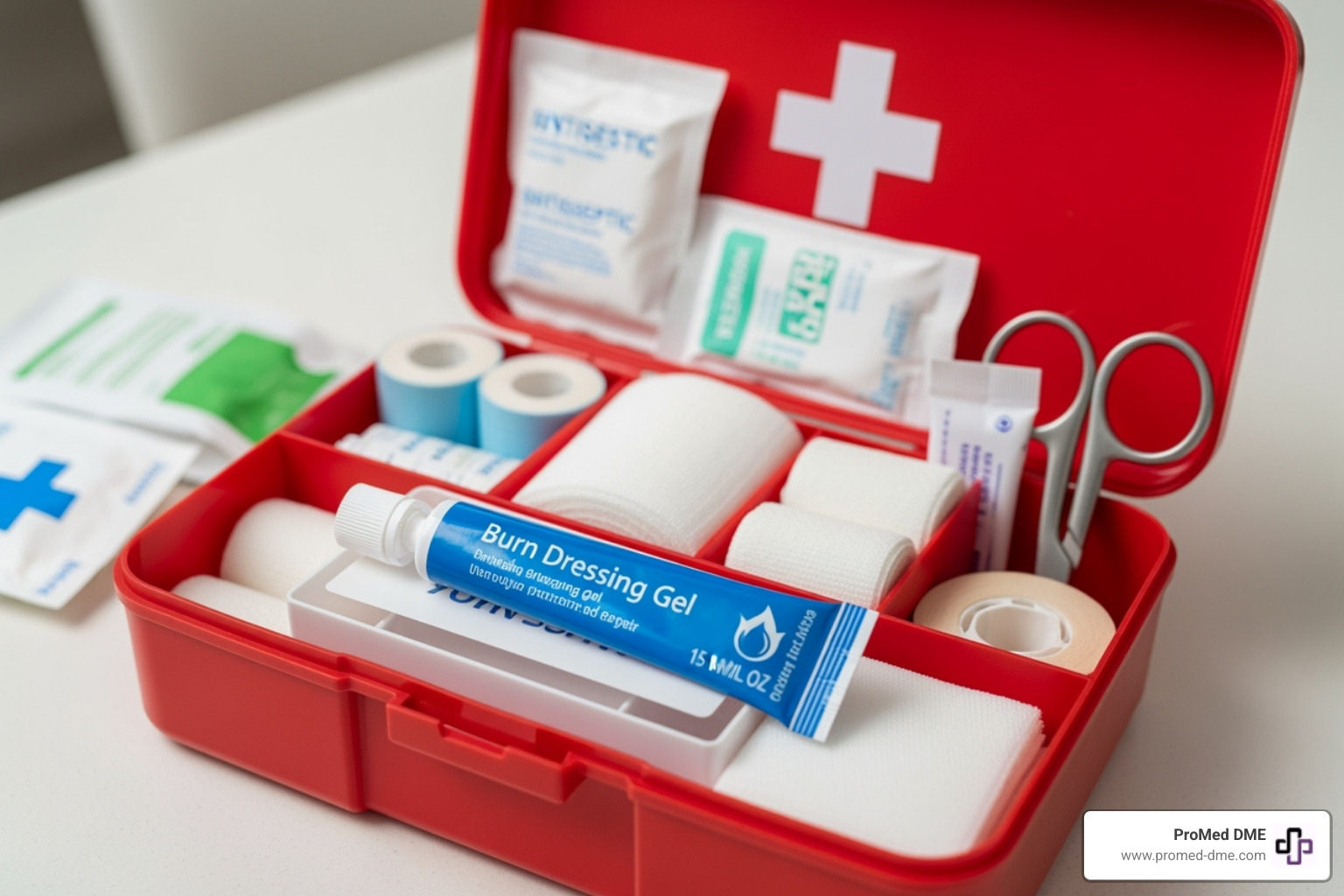
Why Understanding Burn Dressing Gels Can Make All the Difference
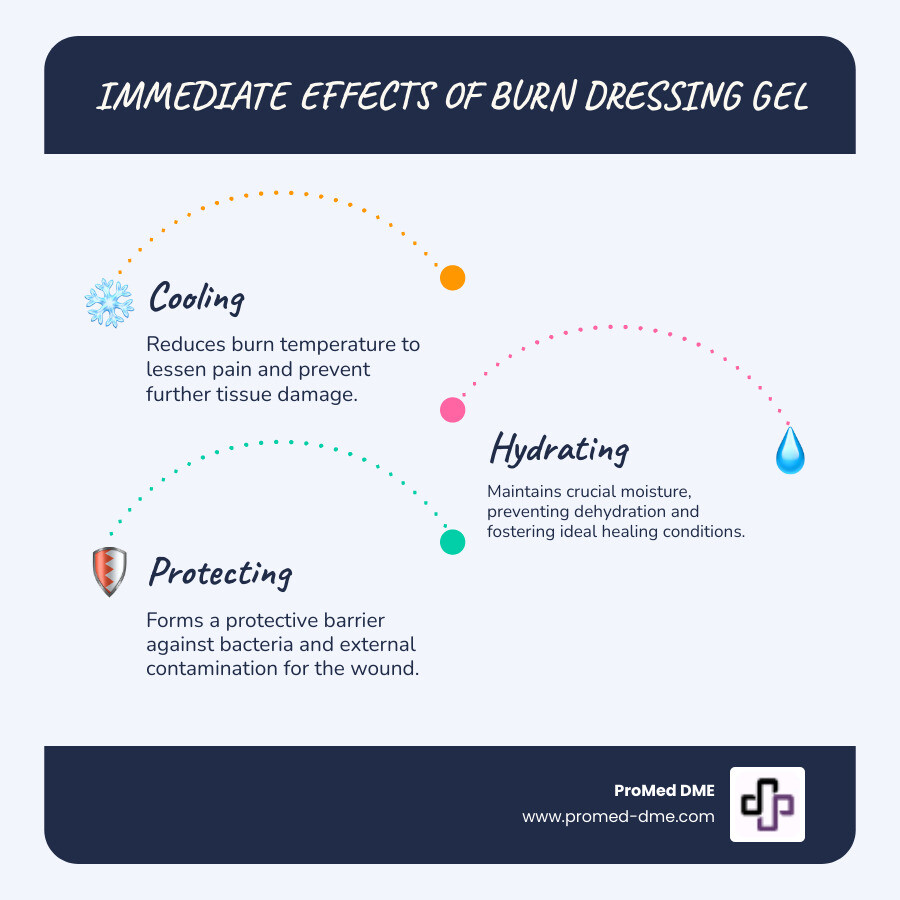
Burn dressing gel is a specialized hydrogel product designed to cool, soothe, and protect burn wounds while creating an optimal environment for healing. Here's what it does:
- Cools the burn: Reduces pain and prevents further tissue damage.
- Maintains moisture: Creates an ideal healing environment.
- Protects the wound: Acts as a barrier against bacteria.
- Reduces scarring: Promotes natural healing without disrupting new tissue.
- Relieves pain: Often contains soothing ingredients like tea tree oil or aloe vera.
Burn injuries are a major public health crisis, causing over 180,000 deaths worldwide each year, according to the World Health Organization. The good news is that proper first aid in the critical first 24 hours can dramatically change the outcome.
Traditional dry dressings like gauze can stick to wounds, require painful changes, and slow healing. Modern hydrogel technology offers a better solution. Burn dressing gels actively participate in the healing process. Based on the "moist wound healing" principle, they keep a burn hydrated to help it heal faster with less scarring.
Understanding how these gels work helps you make better decisions when seconds count, whether you're stocking a first aid kit or caring for someone.
What is a Burn Dressing Gel and How Does It Work?
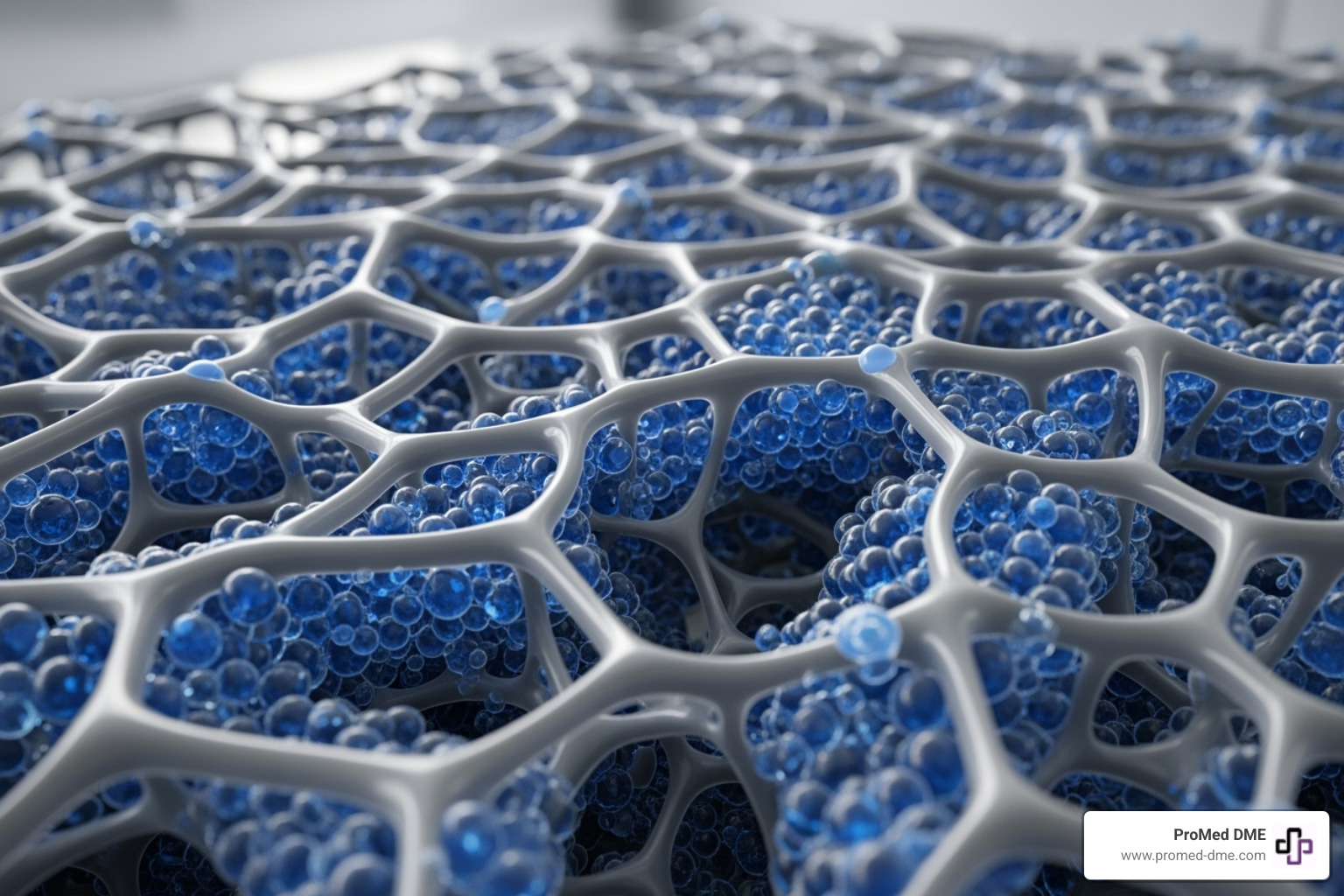
Think of burn dressing gel as a sophisticated water cushion for your skin. It's a hydrogel—a 3D network of polymers holding an incredible amount of water, often over 90%. Some products, like Burnshield HydroGel, contain up to 96% water.
This high water content allows the gel to mimic your skin's natural extracellular matrix, the supportive structure around cells that gets damaged by a burn. This aligns with the "moist wound healing theory," which states that wounds heal better when kept moist. For burns, hydration prevents further tissue damage and creates an ideal environment for the body's natural healing.
When applied, the gel has an immediate cooling effect that draws heat from the skin. This provides comfort and, more importantly, stops the burn from worsening by halting residual heat damage. The gel also manages moisture by absorbing excess fluid (exudate) without drying the wound. Being biocompatible, these gels are gentle on damaged skin and reduce the risk of irritation.
The Science Behind the Soothing
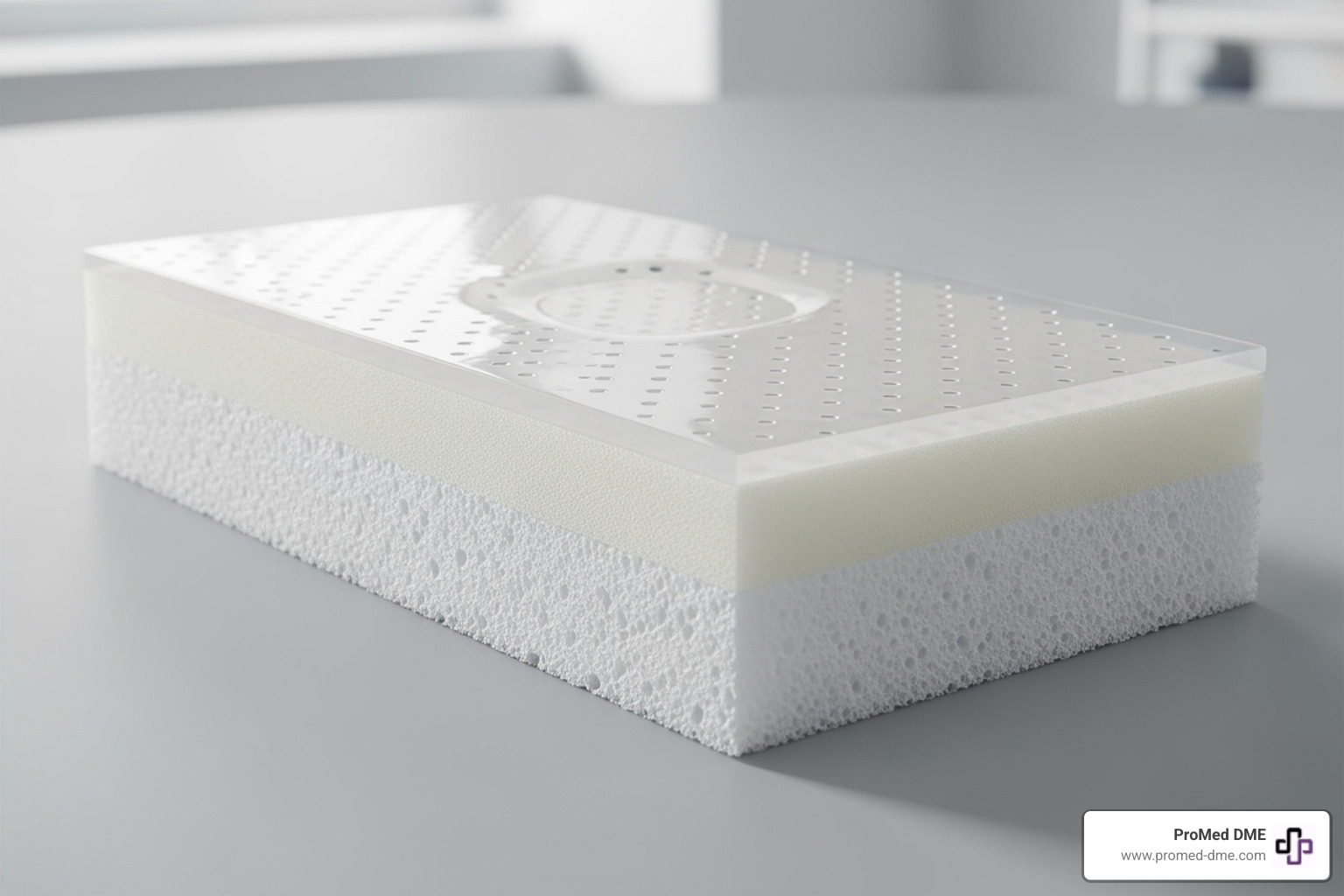
The composition of burn dressing gel uses both natural and synthetic materials. Natural polymers like alginate (from seaweed) and chitosan (from shellfish) are used for their water-holding and antimicrobial properties. Synthetic polymers like polyethylene glycol can be fine-tuned for stability and controlled release of healing agents. The award-winning BurnTec dressing, for example, uses engineered synthetic polymers to create a stable gel.
A key feature is that these gels are water-soluble and non-adherent. Unlike traditional dressings that stick to wounds and cause pain upon removal, burn dressing gels don't adhere to healing tissue, making changes much less painful. The gels are also permeable to oxygen and water vapor but block bacteria, acting as a breathable, protective shield. This balance is key to their effectiveness.
Hydrogel vs. Traditional Dry Dressings
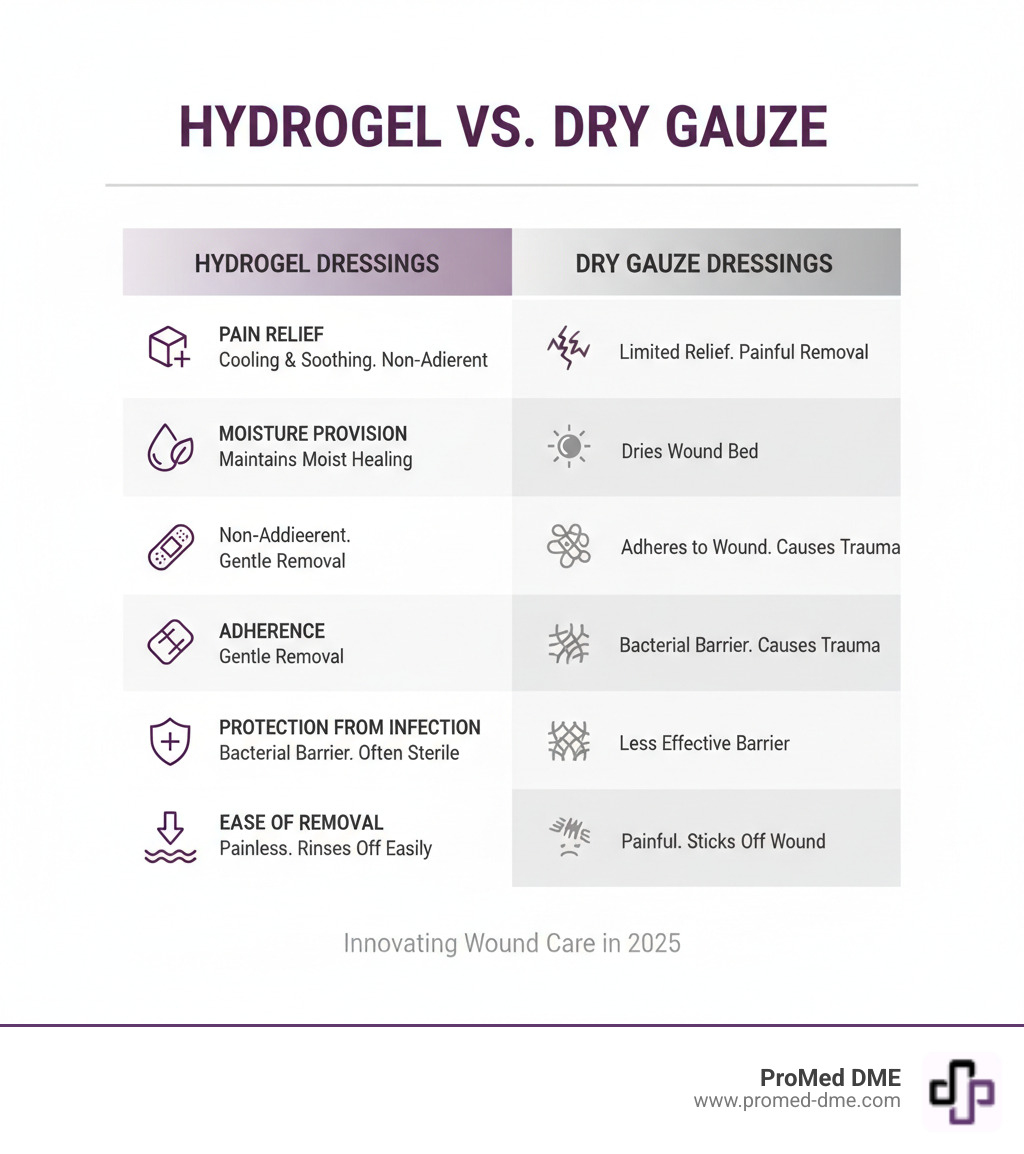
For decades, dry gauze was the standard for burns, but it's far from ideal for modern wound healing. The main problem is that dry dressings absorb moisture, creating a dry wound bed. This leads to scab formation, which can slow healing and increase scarring. Dry dressings also adhere to the wound, and removing them is painful and can tear away new tissue, setting back the healing process.
Hydrogel dressings, by contrast, maintain optimal moisture for faster healing and less scarring. They provide pain relief through cooling, and many contain soothing ingredients. When it's time to change the dressing, there's no painful peeling, as the gel simply rinses off.
Infection protection is also superior. Sterile burn dressing gels create a bacterial barrier, and some contain antimicrobial agents, unlike gauze which can harbor bacteria. The difference is clear: conventional dry dressings have limited therapeutic effects and require painful, repeated changes that risk damaging new tissue. In contrast, hydrogels create the ideal conditions for the body to heal itself, working with its natural processes, not against them.
Key Benefits of Using a Hydrogel Burn Dressing
When you have a burn, you want immediate relief and proper healing without a scar. Burn dressing gel addresses these concerns by easing pain, protecting against infection, speeding up healing, and minimizing scarring.
Superior Pain Relief and Cooling
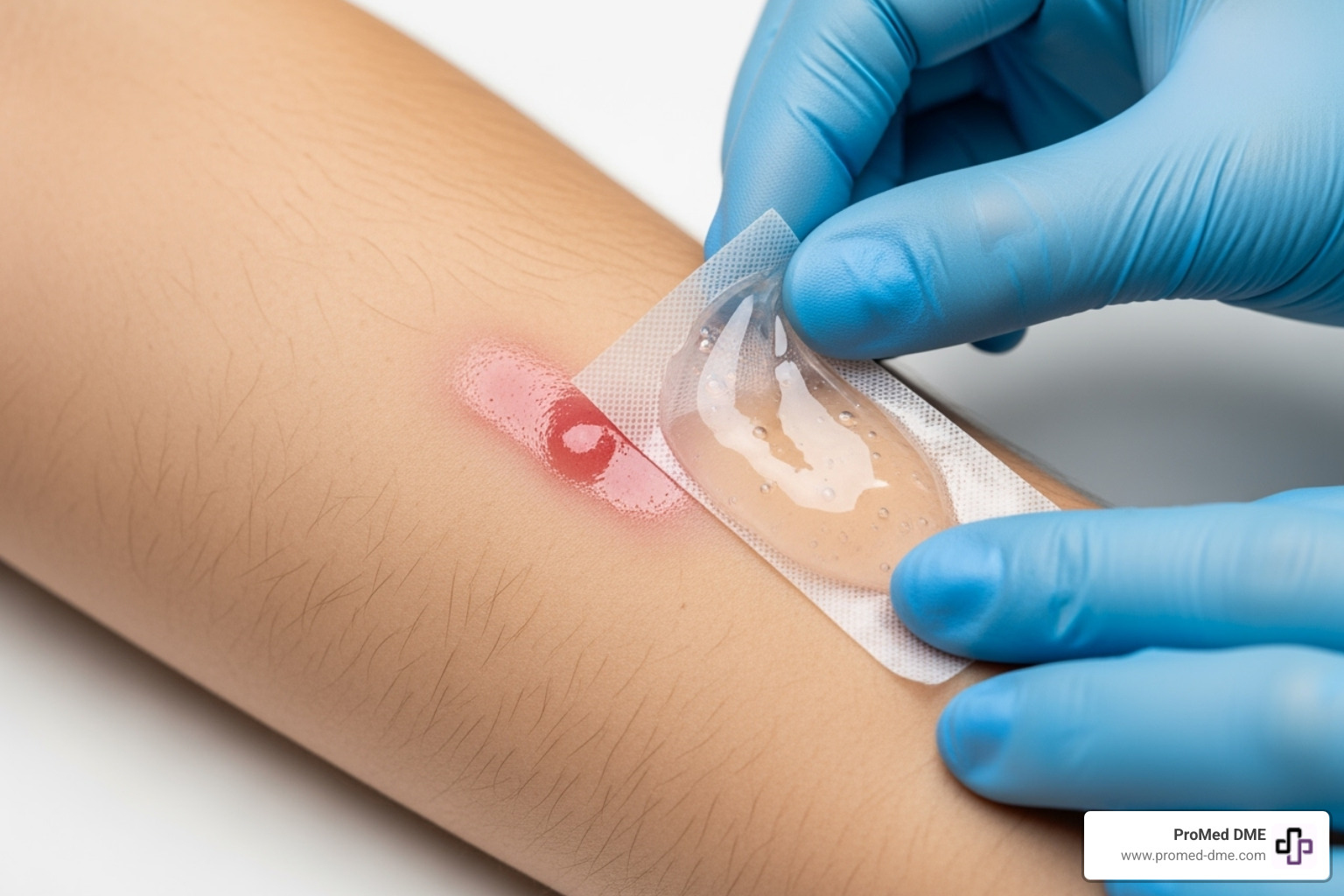
Burns are incredibly painful, and this pain is often undertreated, adding to the trauma, especially for children. Applying a burn dressing gel provides an immediate and profound cooling sensation. This therapeutic cooling is more than just comfort; it performs important work beneath the skin's surface.
The gel draws heat from damaged tissue, soothing irritated nerve endings and reducing inflammation, which means less swelling and pain. Crucially, it stops the burn from worsening by preventing residual heat from damaging deeper skin layers.
Research shows hydrogel dressings offer superior pain relief compared to traditional treatments, with patients reporting lower pain scores and needing less pain medication. Some gels include natural ingredients like tea tree oil for added soothing. For more on this topic, you can explore this Scientific research on burn pain management.
Promoting an Optimal Healing Environment
Your body is an excellent healer, but it needs the right conditions. The "moist wound healing theory" states that wounds heal better when kept moist, and hydrogels are the perfect tool for this. When a burn is hydrated, skin cells migrate more easily across the wound bed. This process, called epithelialization (new skin formation), is essential for healing.
A moist environment also encourages the development of healthy granulation tissue—the pink, bumpy tissue full of new blood vessels and collagen that forms the foundation of new skin. A scab can slow healing by creating a barrier for new cells. A burn dressing gel promotes faster healing without forming a hard scab, and its soft, cushioning nature protects delicate new tissue.
Infection Prevention and Scar Reduction
Infection is a major concern for any burn. A good dressing is critical for prevention. Hydrogel dressings create a physical barrier against bacteria. The gel is permeable to oxygen but blocks contaminants. Most burn dressing gel products are sterile, preventing the introduction of new germs. Many formulations also include antimicrobial agents like silver nanoparticles or tea tree oil for extra protection.
Scarring is another common concern. Thick, raised (hypertrophic) scars can be painful and distressing, but hydrogel dressings significantly reduce this risk. The moist environment promotes organized collagen deposition, preventing the haphazard formation that leads to raised scars. Because the dressing is non-adherent, changes are gentle and don't disrupt the healing process, which is key to minimizing scars. The cooling and anti-inflammatory effects also help by keeping the body's scarring response in check. Immediate application of a quality burn dressing gel can make a long-term difference in your skin's appearance.
A Practical Guide to Using Burn Dressing Gel
Having burn dressing gel in your first aid kit is smart, but knowing how and when to use it is crucial. Like a fire extinguisher, it's important to know when to handle it yourself and when to call for professional help. Understanding burn severity is key to making the right decision.
Identifying Burn Severity: When to Use a Burn Dressing Gel
Burns are classified by depth, which helps determine the right treatment.
First-degree burns affect only the outer skin layer, causing redness and pain but no blisters (like a mild sunburn). Burn dressing gel is excellent for these, providing quick pain relief.
Second-degree burns damage the top two skin layers, causing blisters, swelling, and more pain. Burn dressing gel is ideal for cooling, pain relief, and protecting blisters. However, seek medical attention if the burn is larger than your palm, on a sensitive area (face, hands, feet, joints, genitals), or if you're unsure of its severity.
Third-degree burns are the most serious, destroying all skin layers. The skin may look white, leathery, or charred, and may be numb. These are medical emergencies. Call for help immediately and do not attempt to treat them yourself.
You should call a doctor or go to the ER for any third-degree burn, second-degree burns larger than your palm, burns on sensitive areas, all chemical or electrical burns, or signs of infection (pus, fever, increasing redness). Also seek help for burns on the very young or elderly, or if you are ever unsure.
How to Apply Burn Dressing Gel for Different Injuries
Applying burn dressing gel is straightforward. The rule is safety first, then rapid cooling and protection.
First, stop the burning. For thermal burns, cool the area with cool running water for 10-20 minutes (not ice water). For chemical burns, rinse with water for 15-30+ minutes and call poison control. For electrical burns, ensure the power is off and call emergency services immediately.
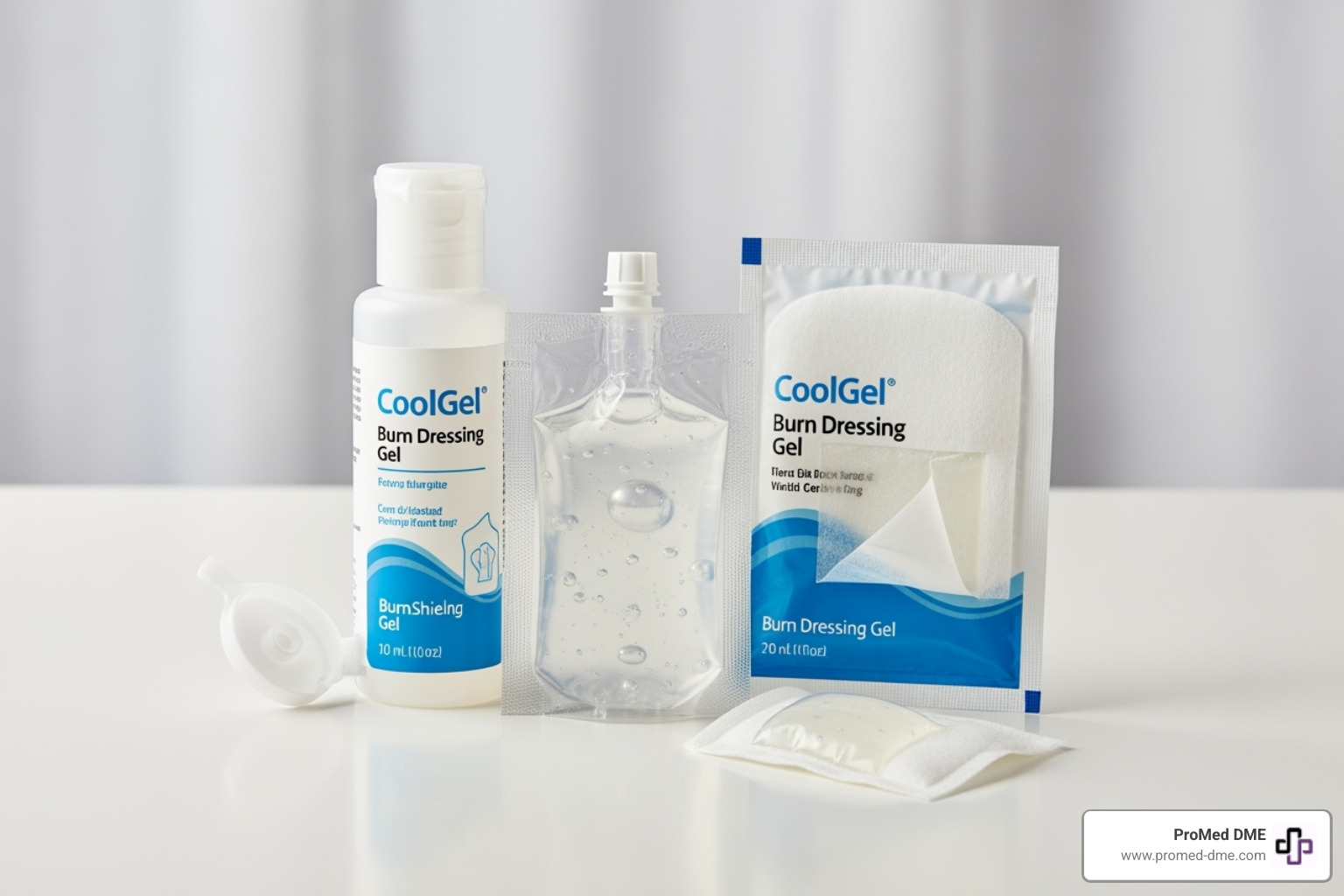
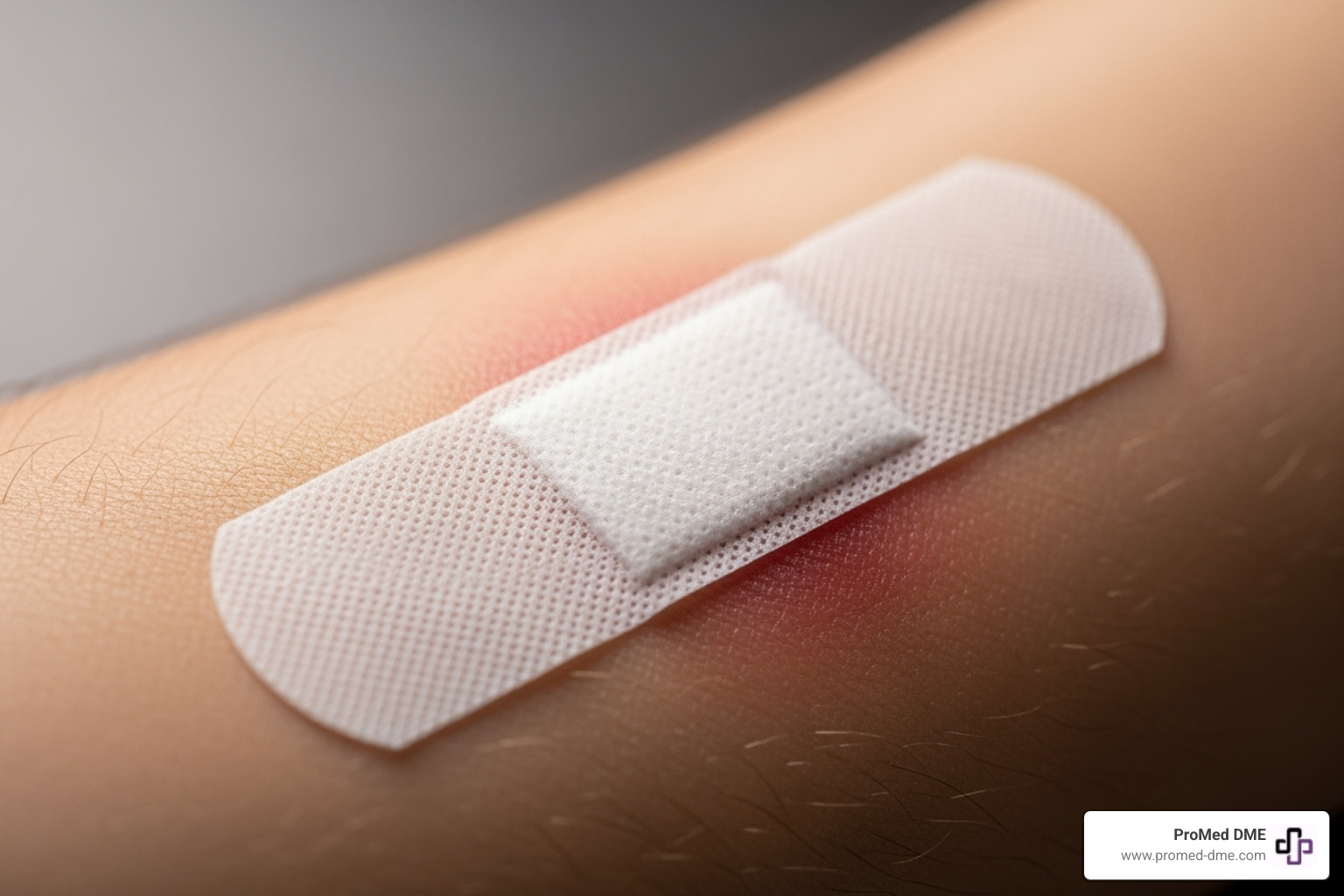
After stopping the burn, wash your hands and gently clean the area with mild soap and water. To apply the gel, use a generous layer (about 1/4-inch thick) from a bottle or sachet without rubbing it in. For a gel-impregnated dressing, place it directly over the burn from its sterile package. Cover loose gel with a non-adherent sterile dressing. Change the dressing every 1-3 days, or as directed by the product instructions or your healthcare provider.
Burn dressing gel is also excellent for sunburns and scrapes. For chemical burns, it can be used to protect the wound after thorough decontamination and medical assessment. Always use your best judgment and seek professional help for anything beyond minor burns.
Storage, Shelf Life, and Safety
Proper storage and safety awareness ensure your burn dressing gel is ready when needed. Most gels have a shelf life of up to five years. Store them in a cool, dry place, away from direct sunlight, and always check the expiration date.
Burn wounds are vulnerable to infection, so most gels are sterile and single-use. Use them directly from sealed packaging with clean hands to prevent contamination.
Be cautious with large burns or on children, as excessive cooling can lead to hypothermia. Monitor for shivering or feeling cold. For heavily draining wounds, other types of dressings may be more appropriate. Burn dressing gel is for first- and second-degree burns and should not delay professional care for serious burns. Allergies are rare, but check ingredients for sensitivities, such as to additives like tea tree oil.
Frequently Asked Questions about Burn Dressing Gels
We know that when you're dealing with a burn, questions come up fast. Here are the answers to some of the most common questions we hear about burn dressing gel.
Can I use a burn dressing gel on a popped blister?
It's best to leave blisters intact, as the fluid-filled bubble protects the burn and acts as a natural, sterile bandage. However, if a blister pops, you can use a burn dressing gel. Gently clean the area with mild soap and cool water, pat dry, and apply the gel. This creates a moist, protective barrier to prevent infection and soothe the raw skin. Cover it with a sterile, non-adherent dressing to keep it clean.
How often should I change a hydrogel dressing?
The frequency of changing a hydrogel dressing depends on the product, the amount of wound fluid, and your healthcare provider's recommendation. Generally, dressings can stay in place for 1 to 3 days. Change it more often if the wound is producing a lot of fluid (exudate) or if the gel appears to be drying out. If you see signs of infection—like increasing redness, swelling, pain, or pus—change the dressing and call your doctor. Always follow the manufacturer's instructions, and when in doubt, consult a healthcare professional.
Are burn dressing gels safe for children?
Yes, most burn dressing gels are safe for children with minor first- and second-degree burns. The immediate cooling and pain relief are especially beneficial for kids. Products like Burnshield HydroGel are formulated to be safe for children, even on facial burns. However, always read the product label for age restrictions or warnings.
Be extra cautious with children. Any burn larger than a coin, deep burns, burns on sensitive areas (face, hands, feet, genitals), or any burn that worries you requires a call to a pediatrician or a trip to urgent care. Also, be aware of the risk of hypothermia when treating large burns on children; watch for shivering. With kids, it's always best to be cautious and seek professional medical care if you have any concerns.
Conclusion
Burn dressing gel is a game-changer in burn care. These hydrogel products do more than cover an injury; they actively participate in healing. From immediate cooling that stops the burn's progression to soothing pain relief, they offer benefits that traditional dry dressings can't match. The advantages are clear: by maintaining a moist environment, these gels promote faster, more comfortable healing. They protect against infection, reduce inflammation, and lower the risk of scarring, all while providing significant pain relief.
While burn dressing gel is an excellent first aid tool for minor burns, it's not a substitute for professional medical care for serious injuries. For deep, large, chemical, or electrical burns, always see a doctor. Trust your instincts.
At ProMed DME, our mission is to provide access to reliable wound care products. We support your health with top-quality products, exceptional service, and expertise. We offer free shipping across the U.S., a dedicated nurse on staff, and work with most insurance plans to make quality care accessible and affordable.
Having burn dressing gel in your first aid kit is an investment in peace of mind. It allows you to provide immediate, effective care for minor burns. Being prepared means having the right products and knowing how to use them.
Explore our advanced wound care solutions and find how ProMed DME can support your family's health and wellness needs. Because when it comes to burn care, having the right tools and the right knowledge really can make all the difference.
Related Resources & Articles
Stay informed with our informative blog posts.
Discover the ProMed Advantage
& Try Our Products
We offer free shipping and legendary customer service to ensure you receive the
best DME products for your needs.