
The Smooth Operator: A Guide to Silicone Gel Sheets for Scar Treatment
Why Silicone Gel Sheets Are the First-Line Choice for Scar Treatment
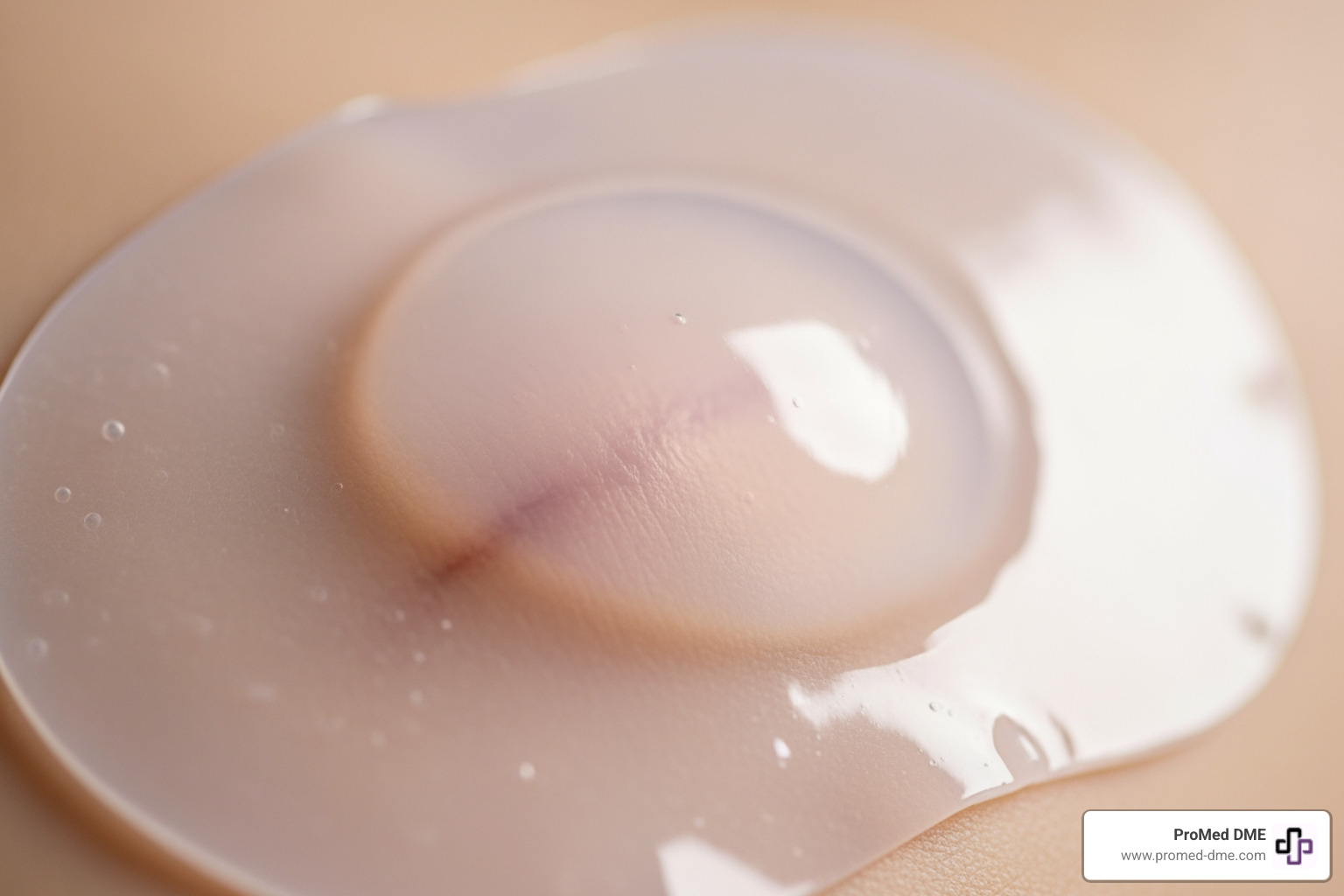
Silicone gel sheets are medical-grade, semi-occlusive dressings clinically proven to reduce the appearance of scars. They work by hydrating the skin's outer layer, which helps flatten, soften, and fade raised scars from surgery, burns, and injuries.
Quick Facts About Silicone Gel Sheets:
- What they treat: Hypertrophic scars, keloid scars, surgical scars (including C-sections), burn scars, and injury scars
- How they work: Create a protective barrier that hydrates scar tissue and normalizes collagen production
- Treatment time: Typically 6-12 months of daily wear for optimal results
- Safety: Safe for children age 3+, sensitive skin, and use on the face
- Status: Considered the gold-standard, first-line therapy by international clinical recommendations since the 1980s
If you have a raised, discolored scar, you may have heard about silicone therapy and wondered if it works. The good news is that silicone gel sheeting has over 40 years of clinical evidence supporting its effectiveness. It has been a go-to recommendation for scar management since the 1980s.
One user shared their experience: "I have a big abdominal scar from a recent surgery. I would never have believed any product could lighten the scar. After 4 weeks, there is a huge difference and my scar is fading... and I am a slow healer. My surgeon and dermatologist both recommended this product."
Unlike invasive treatments like steroid injections or laser therapy, silicone sheets are non-invasive, pain-free, and relatively affordable. They're also reusable—most sheets last 7-10 days with proper care—making them a practical choice for long-term scar management.
This guide covers how silicone gel sheets work, what scars they treat, how to use them, and how they compare to other treatments.
Understanding Silicone Gel Sheets: The Gold Standard in Scar Care
When researching scar treatments, silicone gel sheets consistently appear as the top recommendation. For over four decades, they have been the gold standard in scar management, recommended by plastic surgeons, dermatologists, and burn specialists worldwide.
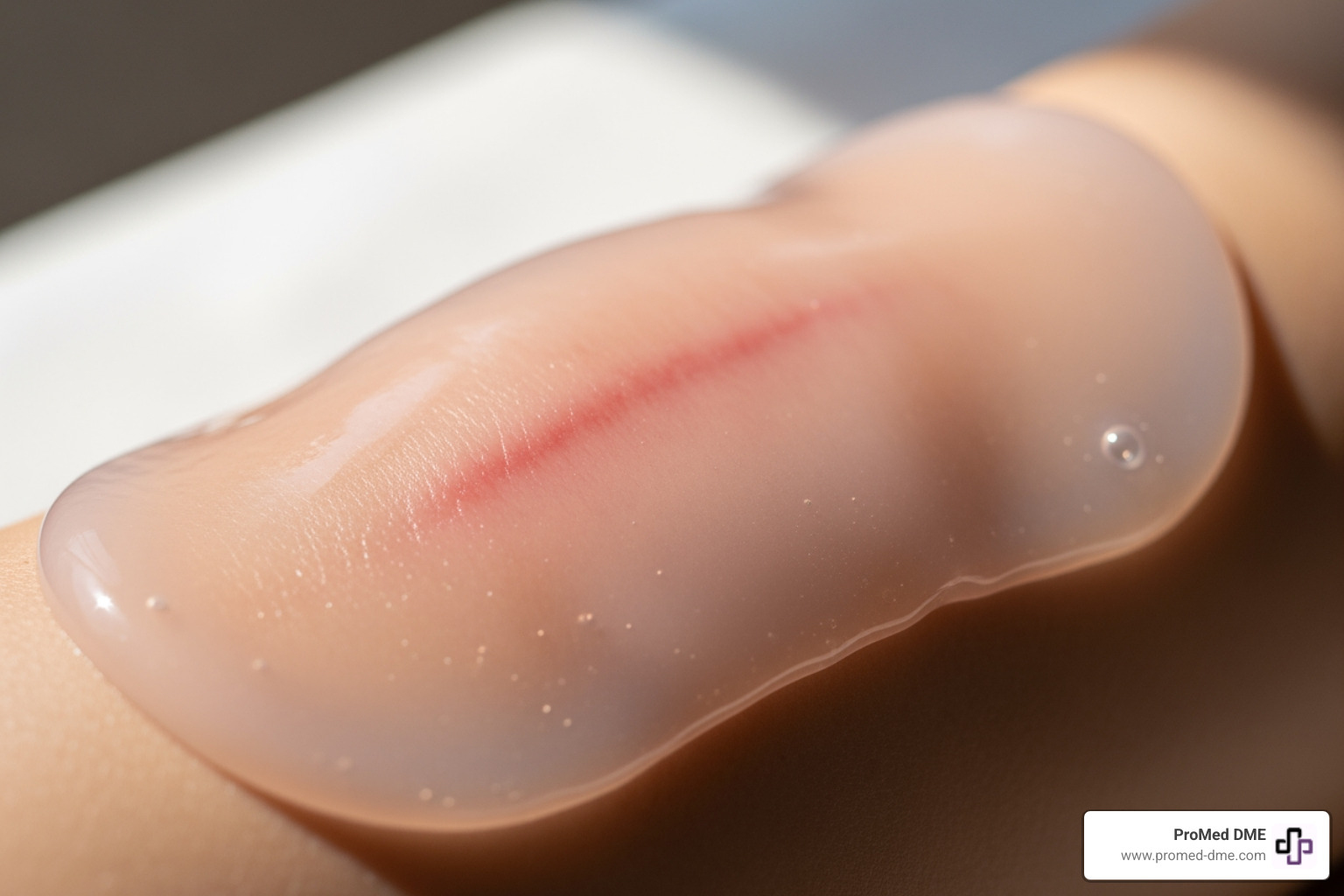
Silicone gel sheets are flexible, self-adhesive patches of medical-grade silicone. They cover a scar, creating a semi-occlusive barrier that provides an ideal healing environment to minimize scar visibility and improve texture.
Their status as a first-line therapy is backed by decades of clinical studies and international guidelines, such as the Updated Scar Management Practical Guidelines. This research shows real improvements in scar thickness, color, and the scar elevation index (SEI), which measures how much a scar rises above normal skin.
At ProMed DME, we've seen countless customers find relief and confidence through silicone therapy. These sheets offer a safe, non-invasive path to smoother, less noticeable skin for both new and old scars.
What Scars Can Silicone Gel Sheets Treat?
Silicone gel sheets work best on scars that form from excess collagen production during healing. Here are the types of scars that respond particularly well to silicone therapy.
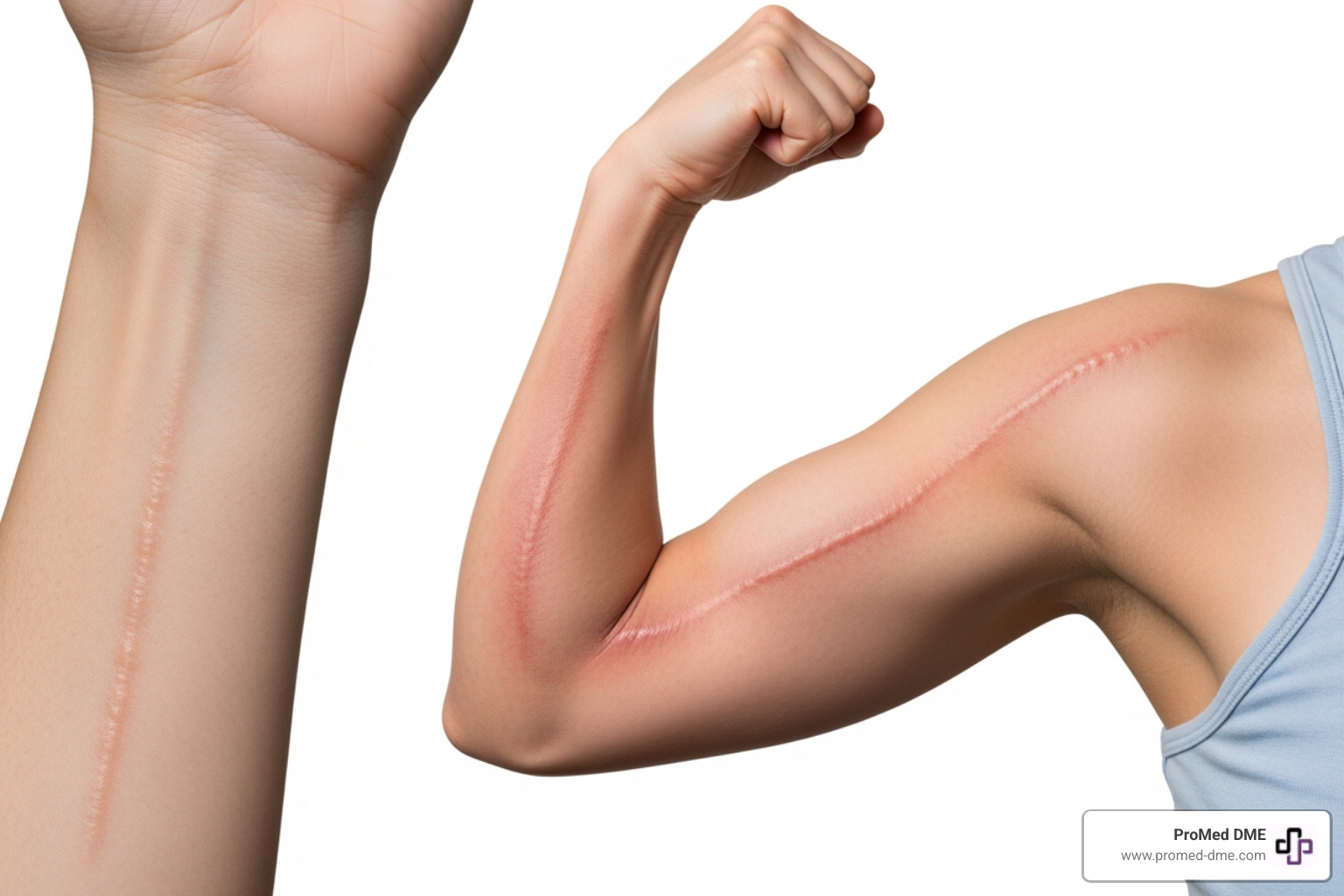
Hypertrophic scars are raised, red, and itchy but stay within the original wound's boundaries. Common on areas of tension like shoulders and knees, they respond very well to silicone treatment.
Keloid scars are more aggressive, growing beyond the original wound. These raised, often painful or itchy scars can be darker than the surrounding skin. They are more common in people with darker skin tones and can form from minor injuries like ear piercings. For more detailed information, the Information on Keloids and Hypertrophic Scars provides comprehensive medical insights.
Burn scars often result in thick, discolored tissue. For decades, silicone gel sheets have been used in burn care to flatten and soften these scars, improving their appearance and feel.
Surgical scars from procedures like C-sections, mastectomies, and cosmetic surgery benefit greatly from early silicone therapy. Surgeons often recommend starting treatment as soon as the incision closes. They are effective for all sizes of surgical scars.
Injury scars from cuts and accidents also improve with silicone sheets, which help guide the healing process toward a smoother, less visible result.
If your scar is raised, discolored, or causing discomfort, silicone gel sheets are a safe, proven, and recommended treatment worth trying.
A Brief History of Silicone in Scar Management
The use of silicone gel sheets for scars began in the 1980s when burn specialists noticed patients' scars healed better when covered with silicone materials. Early research documented these benefits, building a strong foundation of evidence.
Research throughout the 1980s and 90s solidified these findings. By the early 2000s, silicone sheeting was established as the gold-standard, non-invasive scar treatment—a title it holds today. The Evolution of silicone therapy in scar management documents this journey. With over 40 years of clinical use, silicone gel sheets have proven their worth, earning the trust of doctors and the recommendation of clinical guidelines as a first-line therapy.
The Science Behind the Smooth: How Do Silicone Sheets Work?
The dramatic difference a simple silicone sheet can make on a scar is due to biology. Researchers now have a solid understanding of the multiple mechanisms at play that encourage a scar to become flatter, softer, and less noticeable.
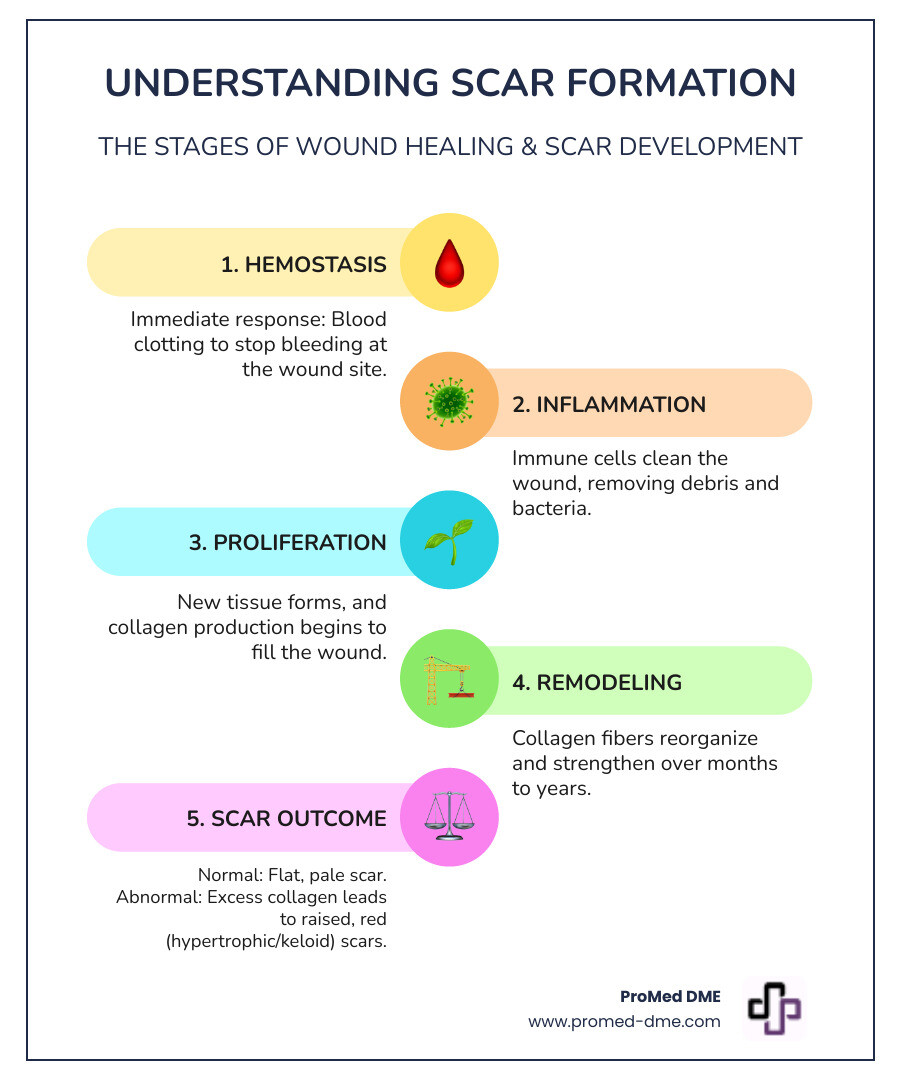
Silicone gel sheets create an ideal healing environment that normalizes collagen synthesis and improves scar quality. Clinical studies consistently show significant reductions in scar thickness, improved color, and a lower scar elevation index (SEI), meaning the scar becomes more level with the surrounding skin. This is achieved through several interconnected processes.
The Primary Mechanism: Hydration and Occlusion
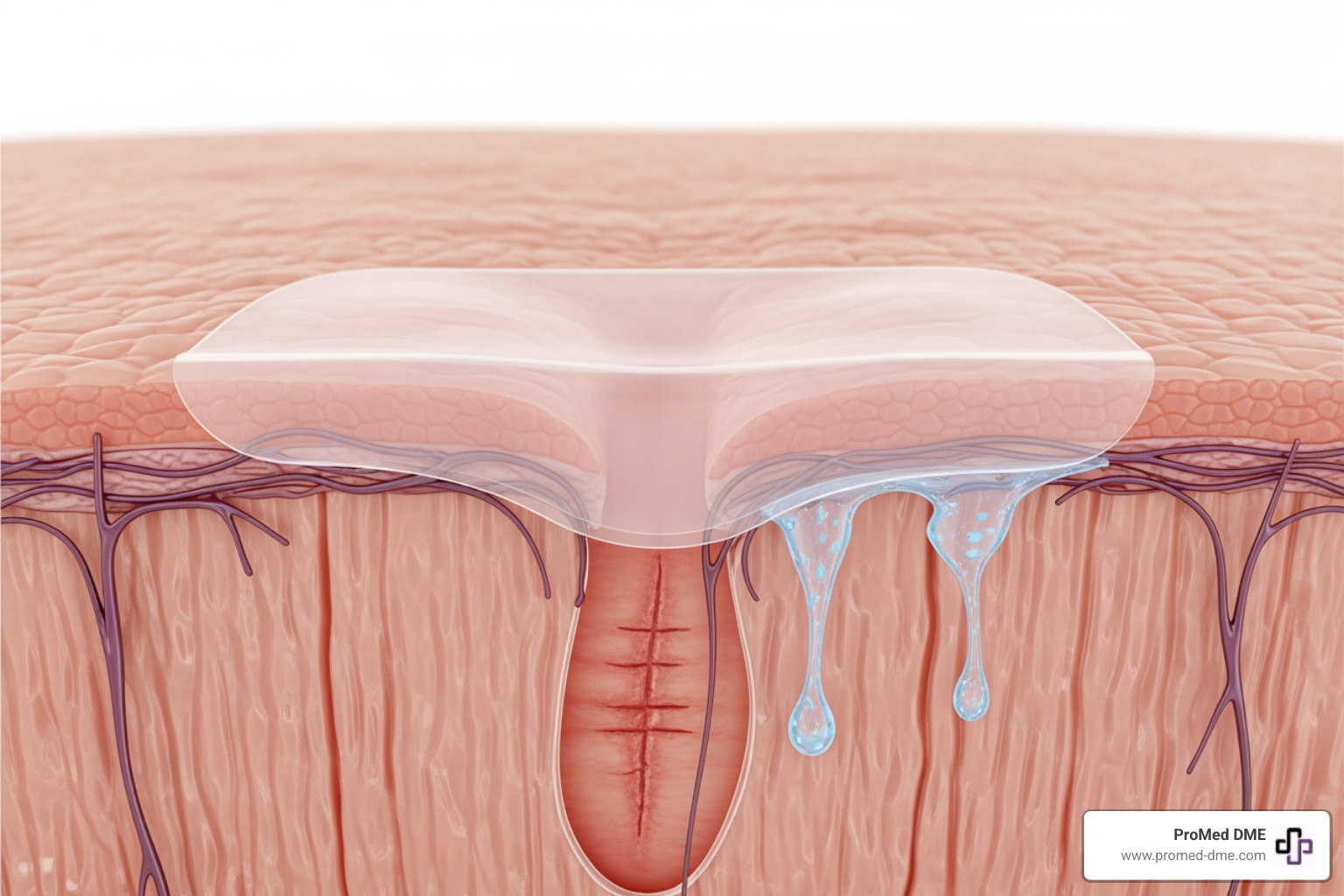
The most powerful effect of silicone gel sheets is their ability to hydrate scar tissue through occlusion. When applied, a silicone sheet forms a semi-occlusive barrier, cutting water loss from the skin's surface in half. This traps moisture, significantly hydrating the stratum corneum (the skin's outermost protective layer).
This hydration is key. It signals the deeper skin layers to normalize collagen production. In abnormal scars, cells called fibroblasts overproduce collagen. Proper hydration, as detailed in research on the role of the epidermis in controlling scarring, tells these fibroblasts to calm down, reducing excessive scar tissue formation. This gentle, continuous hydration helps remodel collagen fibers, making the scar flatter, softer, and more pliable.
Other Contributing Factors to Scar Improvement
Hydration is the primary mechanism, but several other factors contribute to scar improvement.
Temperature and Pressure: The sheet slightly increases skin temperature, which may boost the activity of collagenase, an enzyme that breaks down excess collagen. The gentle, continuous pressure also helps reduce tension on the scar, promoting normal healing.
Static Electricity: A theory suggests that static electricity generated by friction between the sheet and skin may help align collagen fibers, contributing to a more organized collagen structure and scar shrinkage.
Cellular Regulation: On a cellular level, silicone may modulate growth factors like Changing Growth Factor-beta (TGF-β), which are involved in excessive scarring. You can explore more about these biological effects of silicone gel sheeting in the research literature.
Symptom Relief: The sheets provide significant relief from the itching and pain common with hypertrophic and keloid scars. This is due to the combination of hydration soothing nerve endings and gentle pressure reducing nerve sensitivity. For many users, this comfort improvement alone makes the treatment worthwhile.
A Practical Guide to Using Silicone Gel Sheets
Using silicone gel sheets effectively is simple and user-friendly. The key to success is consistency. Following a regular application and care routine will give you the best chance at achieving smoother, less noticeable scars.
Application and Wear Time for your Silicone Gel Sheets
Getting started is straightforward. Follow these steps for proper application:
- Prepare clean, dry skin. Wash the scar area with mild soap and water, then pat completely dry. Avoid lotions or oils, as they will prevent the sheet from sticking.
- Cut the sheet to size. Using clean scissors, trim the sheet to cover the scar and extend slightly beyond its edges. You can place multiple sheets side-by-side for larger scars.
- Apply the sheet. Peel off the backing and place the adhesive side on your scar. Smooth it down from the center out to remove air bubbles.
- Start with short wear times. For the first few days, wear the sheet for 4-8 hours to allow your skin to acclimate. Gradually increase this to the recommended 12-24 hours per day for the best results.
For the treatment timeline, expect to see initial softening in days and texture improvements in 4-8 weeks. However, optimal results require consistent daily wear for 6-12 months. Older scars can also improve but may take longer.
Caring for Your Reusable Silicone Gel Sheets
A key benefit of silicone gel sheets is their reusability. Proper care allows a single sheet to last 7-10 days, making them cost-effective. Daily cleaning is essential to maintain adhesion and effectiveness.
Wash the sheet daily. Use mild, non-moisturizing soap and lukewarm water to remove oils and debris that reduce stickiness.
Air dry the sheet. After rinsing, place it adhesive-side up on a clean surface to air dry. Do not use paper towels, as fibers will stick to the adhesive.
Store properly. Once dry, store the sheet on its original protective liner to keep the adhesive clean until its next use.
Replace as needed. Replace the sheet when it no longer sticks well, starts to tear, or becomes difficult to clean. A sheet that doesn't adhere properly won't be effective.
Following these simple care instructions is a small daily investment in your skin's healing journey that pays off in smoother scars.
Benefits, Limitations, and Comparisons
To choose the right scar treatment, it's important to compare your options. Silicone gel sheets are a top choice for several reasons, offering an excellent balance of effectiveness, safety, and convenience.
Advantages of Silicone Gel Sheeting
Silicone gel sheets stand out due to their proven efficacy and user-friendly nature. Decades of clinical use and studies, including a comprehensive Cochrane review on silicone gel sheeting effectiveness, confirm they reduce scar thickness, improve color, and flatten raised scars. Unlike injections or laser therapy, applying a sheet is a gentle, non-invasive, and pain-free process with no recovery time. The sheets also provide immediate relief from the itching and pain common with hypertrophic and keloid scars. Because they are reusable for 7-10 days with proper care, they are a cost-effective option for long-term treatment. The simple, straightforward routine empowers you to manage your own treatment at home.
Silicone Sheets vs. Other Scar Treatments
Here’s how silicone gel sheets compare to other common scar treatments:
Silicone gels are a topical alternative that forms an invisible film, making them good for the face. While both are effective, studies like this comparison of silicone gel and sheets for burn scars suggest sheets may have an edge for hypertrophic scars due to superior occlusion and gentle pressure.
Non-silicone scar creams, often containing onion extract or vitamin E, have much weaker clinical evidence for treating raised scars compared to silicone.
Pressure therapy, using compression garments, is often used for burn scars. Research shows combining it with silicone gel sheeting is more effective than either treatment alone.
Invasive treatments like steroid injections or laser therapy are reserved for severe scars. They are more expensive and carry higher risks, which is why clinical guidelines recommend silicone gel sheets as the first-line therapy.
The bottom line is that silicone gel sheets offer an exceptional balance of proven effectiveness, safety, and affordability, making them the first-line therapy recommended by medical professionals worldwide.
| Feature | Silicone Gel Sheets | Silicone Gels | Scar Creams (Non-Silicone) |
|---|---|---|---|
| Efficacy | High, clinically proven for raised scars | Moderate to high, good for various scars | Variable, often limited for raised scars |
| Application | Adhesive sheet, applied directly to scar | Topical gel, dries on skin | Topical cream, rubs into skin |
| Occlusion | High, creates a semi-occlusive barrier | Moderate, forms a breathable film | Low, absorbed into skin |
| Hydration | High, traps moisture effectively | Moderate, provides some hydration | Low to moderate, depends on ingredients |
| Reusability | Yes, typically 7-10 days | No, single application per use | No, single application per use |
| Cost | Moderate (initial cost, but reusable) | Moderate (requires consistent repurchase) | Low to moderate |
| Visibility | Can be visible, especially larger sheets | Often invisible once dry | Invisible once absorbed |
| Discomfort | Reduces itching/pain | May reduce itching/pain | Variable |
| Limitations | Patient compliance, potential skin irritation | Less physical pressure, less occlusive than sheets | Limited clinical evidence for severe scars |
Frequently Asked Questions about Silicone Gel Sheets
Here are answers to some of the most common questions we receive at ProMed DME about using silicone gel sheets.
Can silicone gel sheets be used on old scars?
Yes, silicone gel sheets can improve the appearance of old scars. While results are often best on new scars (once fully closed), even those that are months or years old can become softer, flatter, and less discolored with treatment. The continuous hydration provided by the sheets helps remodel old scar tissue. The main difference is that older scars typically require a longer, more patient treatment period to see significant results, but improvement is possible.
Are silicone gel sheets safe for children and sensitive skin?
Yes, they are very safe. Medical-grade silicone is biocompatible, meaning it's well-tolerated by the body, non-toxic, and has a very low risk of allergic reactions. It doesn't absorb into the skin. Research on the effectiveness of silicone therapy in children confirms that it is safe and effective for pediatric use, with most products suitable for ages 3 and up. The gentle adhesion also makes removal easy on delicate skin. If minor irritation occurs, wash the area and the sheet. If it persists, consult a healthcare provider.
Can I use them on my face or other sensitive areas?
Yes. The sheets are flexible and conformable, making them ideal for use on the face, joints, and other sensitive areas. They can be trimmed to fit any scar shape precisely. For facial scars, clear or skin-toned options offer discreet wear. On joints like knees or elbows, they move with your body, providing protection and gentle pressure to reduce discomfort. They are successfully used on scars all over the body, from C-sections to delicate facial surgery sites. Just ensure skin is clean and dry before application.
Conclusion
Silicone gel sheets are a clinically proven, first-line therapy for scar management, backed by over 40 years of research. Their simple, non-invasive approach works by creating a hydrating environment that helps your body flatten, soften, and fade raised scars. Beyond improving appearance, they also provide significant relief from the itching and discomfort associated with hypertrophic and keloid scars.
Safe for all ages and skin types, silicone gel sheets are a practical and cost-effective solution for C-section scars, burn scars, and even older injuries, especially given their reusability over the typical 6-12 month treatment period.
At ProMed DME, we're your partner in healing. Based in Stuart, Florida, we've built our reputation on delivering top-quality products paired with exceptional customer service. When you choose us, you get free shipping across the United States, access to our dedicated nurse on staff who can answer your questions, and assistance working with most insurance plans to keep your out-of-pocket costs as low as possible.
We understand recovery is about regaining confidence, and we're committed to providing the tools and support you need for every step of your scar management journey.
Ready to take the next step toward smoother, healthier skin? Explore our comprehensive scar and wound care solutions and find how silicone gel sheets can make a real difference in your recovery.
Related Resources & Articles
Stay informed with our informative blog posts.


Discover the ProMed Advantage
& Try Our Products
We offer free shipping and legendary customer service to ensure you receive the
best DME products for your needs.